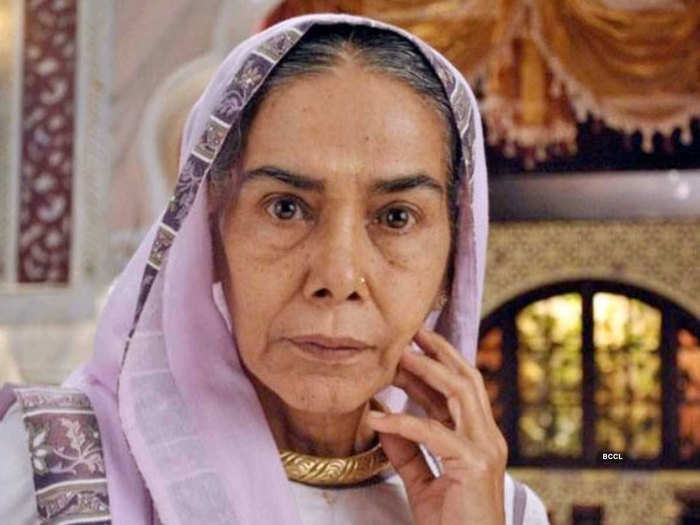
નેશનલ અવોર્ડ વિજેતા એક્ટ્રેસ સુરેખા સિક્રીનું 75 વર્ષની વયે નિધન થયું છે. શુક્રવારે સવારે હાર્ટ અટેક આવતાં સુરેખા સિક્રીનું અવસાન થયું છે. સુરેખા સિક્રી છેલ્લા થોડા સમયથી બીમાર બતા અને 2020માં તેમને બ્રેન સ્ટ્રોક આવ્યો હતો. અગાઉ 2018માં પેરાલિટિક સ્ટ્રોક પણ આવ્યો હતો.
ઉત્તરપ્રદેશમાં જન્મેલા સુરેખા 1971માં નેશનલ સ્કૂલ ઓફ ડ્રામામાંથી ગ્રેજ્યુએટ થયા હતા. 1989માં તેમને સંગીત નાટક અકાદમી અવોર્ડ પણ મળ્યો હતો. સુરેખાનાં પિતા એર ફોર્સમાં હતા અને તેમના માતા શિક્ષિકા હતા. સુરેખાએ હેમંત રેગે સાથે લગ્ન કર્યા હતા અને તેમના દીકરાનું નામ રાહુલ સિક્રી છે.
સુરેખા સિક્રીના મેનેજરે આ વાતની પુષ્ટિ કરતાં મીડિયાને જણાવ્યું કે, “ત્રણવાર નેશનલ અવોર્ડ વિજેતા રહી ચૂકેલા સુરેખા સિક્રીનું આજે વહેલી સવારે કાર્ડિયાક અરેસ્ટ (હૃદયરોગના હુમલા)ના કારણે 75 વર્ષની વયે અવસાન થયું છે. બીજા બ્રેન સ્ટ્રોક પછી ઊભા થયેલા કેટલાક કોમ્પ્લિકેશનથી તેઓ પીડાઈ રહ્યા હતા. તેઓ પોતાના પરિવાર અને દેખરેખ કરનારાઓની હાજરીમાં અવસાન પામ્યા છે. પરિવાર આ સમયે પ્રાઈવસીની અપેક્ષા રાખે છે. ઓમ સાંઈ રામ.”
સુરેખા સિક્રીએ અનેક ફિલ્મો અને સીરિયલોમાં કામ કર્યું હતું. જોકે, સીરિયલ ‘બાલિકા વધૂ’માં ‘દાદીસા’નો રોલ કરીને તેઓ ખૂબ પ્રખ્યાત થયા હતા. સુરેખા સિક્રી 2008માં આ સીરિયલ શરૂ થઈ ત્યારથી લઈને 2016માં પૂરી થઈ ત્યાં સુધી કલ્યાણી દેવી ઉર્ફે દાદીસાના રોલમાં જોવા મળ્યા હતા. સુરેખાએ 1978માં પોલિટિકલ ડ્રામા ફિલ્મ ‘કિસ્સા ખુર્સી કા’થી ડેબ્યૂ કર્યું હતું. સુરેખા સિક્રીને બેસ્ટ સપોર્ટિંગ એક્ટ્રેસ કેટેગરીમાં ત્રણવાર નેશનલ અવોર્ડ મળ્યો છે. જેમાં ફિલ્મ ‘તમસ’ (1988), ‘મમ્મો’ (1995) અને ‘બધાઈ હો’ (2018)નો સમાવેશ થાય છે.
સુરેખા સિક્રી છેલ્લે OTT પ્લેટફોર્મ પર રિલીઝ થયેલી ફિલ્મ ‘ઘોસ્ટ સ્ટોરીઝ’ (2020)માં જોવા મળ્યા હતા. ચાર વાર્તાઓ દર્શાવતી આ ફિલ્મમાંથી ઝોયા અખ્તરના નિર્દેશનમાં બનેલી ફિલ્મમાં સુરેખા જોવા મળ્યા હતા.
સ્ત્રી સશકિતકરણ માટે વ્યવસાય અને ઉદ્યોગ સાહસીક બહેનોને પ્રોત્સાહિત અને પ્રગતિ માટે માર્ગદર્શન આપવા માટે ઈન્નર વ્હીલ કલબ ઓફ સુરત ઈસ્ટ તરફથી ૭૮ બહેનોનું જાહેર અભિવાદન કરવામાં આવ્યુ હતું.
તા.૧૪.૦૭.૨૦૨૧, બુધવારે આશાદીપ સ્કુલ ઓડીટોરીયમ ખાતે આશાદીપ નારી શકિત એવોર્ડ સમારોહનું આયોજન કરવામાં આવ્યુ હતું. સમારોહના અઘ્યક્ષ સ્થાનેથી આરોગ્ય સમિતીના અઘ્યક્ષ દર્શિનીબેન કોઠીયાએ જણાવ્યુ હતું કે નારીની શકિત ઓછી નથી તમામ ક્ષેત્રો બહેનો માટે ખુલ્લા છે.
જીવનમાં માત્ર ગૃહિણી બની રહેવાને બદલે કંઈક કરવાની ઈચ્છા ખૂબ જરૂરી છે. નાના ગૃહઉદ્યોગ કરવા માટે રાજય સરકારની ઘણી યોજના મદદરૂપ થઈ શકે તેમ છે.
પોતાની જાત ઉપર વિશ્વાસ રાખી આગળ વધો- હેતલ વિરાણી
નારીશકિત એવોર્ડ વિતરણ સમારોહના મુખ્ય મહેમાન પદે યુવા ઉદ્યોગ સાહસીક મહિલા અને સ્પાર્કલ બ્રાંડના ફાઉન્ડર એવા હેતલબેન વિરાણીએ બહેનોને જણાવ્યુ હતુ કે પોતાની જાત ઉપર વિશ્વાસ રાખી લોકો શું કહે છે તે ઘ્યાનમાં લીધા વગર આગળ વધો. શૈક્ષણિક ડિગ્રી લીધા પછી કેળ અને બંબુમાંથી સેનેટરી પેડ બનાવવાનું સફળ સ્ટાર્ટઅપ ઉભુ કરનાર હેતલ વિરાણીએ મહિલાઓને કંઈક કરી પોતાની કમાણી કરવા માટે પ્રોત્સાહિત કરી હતી.
ઈન્નર વ્હીલ કલબ ઓફ સુરત ઈસ્ટના પ્રમુખ જયશ્રી ભાલાળાએ સર્વોને આવકારી બહેનોને જાગૃત અને મજબુત બનવા આહવાન કર્યુ હતું. તેમણે જણાવ્યુ હતુ કે વુમન એમ્પાવરમેન્ટ પ્રોજેકટ અંતર્ગત આજે ૭૮ બહેનો જે જુદા જુદા વ્યવસાય અને ઉદ્યોગ સાહસીક બહેનોને સન્માનિત કરવામાં આવ્યા છે. કલબની બહેનોને પ્રોત્સાહિત કરી તેમના વ્યકિતત્વનો વિકાસ થાય તે માટેના પ્રયાસો હજુ પણ કરવામાં આવનાર છે.
આવનારો સમય ઓનલાઈન વેપારનો છે… કાનજી ભાલાળા
બહેનોને પ્રોત્સાહન અને માર્ગદર્શન આપતા સમારોહના અતિથીશ્રી કાનજીભાઈ આર.ભાલાળાએ જણાવ્યુ હતુ કે આવનારો સમય ઓનલાઈન વેપારનો છે. ત્યારે તમારા ગૃહઉદ્યોગની પ્રોડકટ ઓનલાઈન વેચાણ મુકવા માટે ઈ-કોમર્સ પ્લેટફોર્મનો ઉપયોગ કરવો જોઈએ. તેમણે બહેનોને જીવનમાં રોટી-કપડા અને મકાન ઉપરાંત હેલ્થ-વેલ્થ અને હેપીનેસની જરૂર છે. તે વિશે સમજણ આપી હતી.
બહેનોની કલબ દ્ધારા જ બહેનોનું સન્માન એવા કાર્યક્રમમાં આશાદીપ ગૃપ ઓફ એજયુકેશનના ડિરેકટરશ્રી મહેશભાઈ રામાણી, વરાછાબેંકના ચેરમેન ભવાનભાઈ નવાપરા, લોકસર્મપ્ણ બ્લડબેંકના પ્રમુખ હરિભાઈ કથીરિયા તથા રોટરી કલબ ઓફ સુરત ઈસ્ટના પ્રમુખ મનહરભાઈ વોરા ઉપસ્થિત રહયા હતા.
ઈન્નર વ્હીલ કલબ ઓફ સુરત ઈસ્ટના પાસ્ટ પ્રેસીડેન્ટ વિણાબેન, અસ્મિતાબેન શિરોયા અને ઉષાબેન ખેની ઉપરાંત મોટી સંખ્યામાં બહેનો ઉપસ્થિત રહયા હતા. કલબના સેક્રેટરી દિવ્યાબેન મોવલીયા, ઉપપ્રમુખ ચેતનાબેન શિરોયા, માયાબેન માવાણી વગેરે બહેનોએ વ્યવસ્થા જાળવી હતી. આભારવિધી ઉર્મિલાબેન સોજીત્રાએ કરી હતી. એવોર્ડ વિતરણ સમારોહનું સફળ સંચાલન જીગ્નાશાબેન ઠકકર અને મનીષાબેન વઘાસીયાએ કર્યુ હતું.
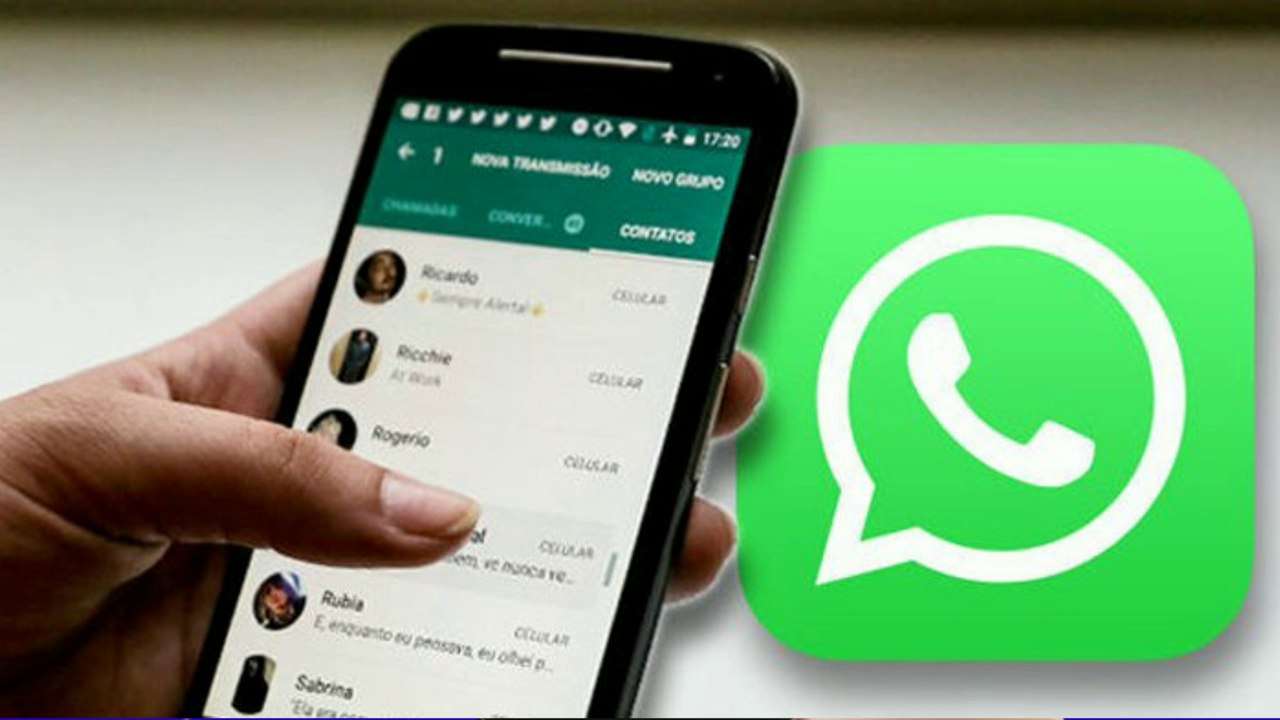
લોકપ્રિયતા એ વિશ્ર્વસનીયતાનો માપદંડ ન હોઈ શકે એમ જણાવી સુપ્રીમ કૉર્ટે વૉટ્સઍપ પરના મૅસેજને પુરાવા તરીકે સ્વીકારવાનું ગુરુવારે નકારી કાઢ્યું હતું.
વૉટ્સએપ પર કરવામાં આવેલા મેસેજનું પુરાવા તરીકે કોઈ મૂલ્ય કે મહત્વ નથી હોતું અને એટલે જ બિઝનેસમાં બે ભાગીદાર વચ્ચે મેસેજની આપલેને પુરાવાનો આધાર ન ગણી શકાય. દેશના મુખ્ય ન્યાયાધીશ એન. વી. રામન્ના, ન્યાયાધીશ એ. એસ. બોપાના અને હૃષીકેશ રોયની બનેલી ખંડપીઠે કહ્યું હતું કે આજના સમયમાં વોટ્સેપના મેસેજનું પુરાવા તરીકે મૂલ્ય કેટલું? સોશિયલ મીડિયા પર આજની તારીખે કંઈપણ ઊભું અને નાબૂદ કરી શકાય છે. વોટ્સએપના મેસેજને અમે કોઈ મહત્ત્વ નથી આપતા.
કચરો એકઠો કરી તેનું વહન અને નિકાલ કરવા અંગેના સાઉથ દિલ્હી મ્યુનિસિપલ કોર્પોરેશન (એસડીએમસી), એટૂઝેડ ઈન્ફ્રા સર્વિસિસ અને અન્ય સાથેના ૨ ડિસેમ્બર ૨૦૧૬ના કરાર સંબંધિત કેસને મામલે સુપ્રીમ કૉર્ટે ઉપરોક્ત નિવેદન કર્યું હતું.
વર્ષ ૨૦૧૭માં એટૂઝેડ ઈન્ફ્રા સર્વિસિસે તેણે લીધેલા કોન્ટ્રાક્ટના અમુક હિસ્સાના કામ માટે ક્વિપ્પો ઈન્ફ્રાસ્ટ્રક્ચર સાથે કરાર કર્યા હતા.
એટૂઝેડ ઈન્ફ્રા એસ્ક્રો અકાઉન્ટ (થર્ડ પાર્ટી એકાઉન્ટ)માં રૂપિયા જમા કરાવશે અને એ રકમનો ઉપયોગ અન્ય પાર્ટીઓને ચુકવણી કરવા માટે કરવામાં આવશે એવી સહમતી કરારમાં સાધવામાં આવી હતી.
ક્વિપ્પો ઈન્ફ્રાએ કોલકાતા હાઈ કૉર્ટના દ્વાર ખટખટાવતા વર્ષ ૨૦૨૦માં એટૂઝેડ ફ્રન્ફ્રાએ કરાર રદ કર્યો હતો. ક્વિપ્પોએ એટૂઝેડ પાસેથી રૂ. ૮.૧૮ કરોડ લેવાના નીકળતા હોવાને લગતો વોટ્સએપ મેસેજ હાઈ કોર્ટને દેખાડ્યો હતો. એટૂઝેડએ આ મેસેજ બનાવટી અને ઉપજાવી કાઢેલો હોવાનું જણાવ્યું હતું.
જોકે, હાઈ કોર્ટે કંપનીને એસ્ક્રો એકાઉન્ટમાં રૂપિયા જમા કરાવવા જણાવ્યું હતું. ગયા વર્ષની ૨૮મી મેેએ એટૂઝેડ ઈન્ફ્રાએ કરાર રદ કર્યા હતા અને ક્વિપ્પોએ લવાદની નિમણૂક કરવાની માગણી સાથે ૧૪ સપ્ટેમ્બરે હાઈ કૉર્ટનો આશરો લીધો હતો. આ વર્ષની ૧૪ જાન્યુઆરીએ બંને પક્ષ લવાદની નિમણૂક માટે સહમત થયા હતા.
ક્વિપ્પોના વકીલે કોલકાતા હાઈ કૉર્ટને ૧૯ માર્ચ ૨૦૨૦ના એ જાણ કરતા મેસેજ અંગે જણાવ્યું હતું જેમાં એટૂઝેડ ઈન્ફ્રાએ ક્વિપ્પોને રૂ. ૮.૧૮ કરોડ આપવાના બાકી નીકળતા હોવાની કબૂલાત કરી હતી.
ક્વિપ્પોએ વર્ષ ૨૦૧૮નો એ જાણ કરતો ઈમેલ પણ દર્શાવ્યો હતો જોમાં એટૂઝેડ ઈન્ફ્રાએ એસડીએમસી પાસેથી મળનારી રકમ એસ્ક્રો અકાઉન્ટમાં જમા કરાવવા સહમતી દર્શાવી હતી. જોકે, એટૂઝેડ ઈન્ફ્રાએ મેસેજ બનાવટી અને ઉપજાવી કાઢેલો હોવાનું હાઈ કોર્ટને જણાવ્યું હતું, પરંતુ હાઈ કોર્ટે એટૂઝેડ ઈન્ફ્રાને ભવિષ્યમાં એસડીએમસી પાસેથી કોન્ટ્રાક્ટ અને કામને લગતાં મળનારાં તમામ નાણાં એસ્ક્રો અકાઉન્ટમાં જમા કરાવવા જણાવ્યું હતું.
બુધવારે સુપ્રીમ કૉર્ટમાં ઉપસ્થિત રહેલા એટૂઝેડના વકીલ રણજિતકુમારે કહ્યું હતું કે કરાર રદ કરવામાં આવ્યા છે અને વિવાદના ઉકેલ માટે લવાદની નિમણૂક કરવામાં આવી છે તેવા સમયે ભવિષ્યમાં એસડીએમસી પાસેથી કોન્ટ્રાક્ટ અને કામને લગતાં મળનારાં તમામ નાણાં એસ્ક્રો અકાઉન્ટમાં જમા કરાવવાનો હાઈ કોર્ટનો આદેશ અયોગ્ય છે કેમ કે એવા સંજોગોમાં અમે કચરો ઊપાડવાના અને તેનું વહન કરી તેનો નિકાલ કરવામાં રોકાયેલા કામદારોને પગારની ચુકવણી નહીં કરી શકીએ.
જોકે મુખ્ય ન્યાયાધીશ રામન્નાના વડપણ હેઠળની ખંડપીઠે કહ્યું હતું કે આ વિવાદનો ઉકેલ લાવવા લવાદની નિમણૂક કરવામાં આવ્યા બાદ કરાર રદ કરનાર પાર્ટી એસડીએમસી પાસેથી મળનારી રકમ શા માટે એસ્ક્રો એકાઉન્ટમાં જમા કરાવે?
પ્રથમદર્શી રીતે અમે એસ્ક્રોના ખાતામાં રૂપિયા જમા કરાવવાના હાઈ કૉર્ટના આદેશથી સંતુષ્ટ નથી, એમ સુપ્રીમ કોર્ટે કહ્યું હતું.
જો આ મોડું ન હોય તો તમે લવાદ પાસે જાઓ અને લવાદનો ચુકાદો બંને પક્ષને બંધનકર્તા હશે, એમ ખંડપીઠે કહ્યું હતું.
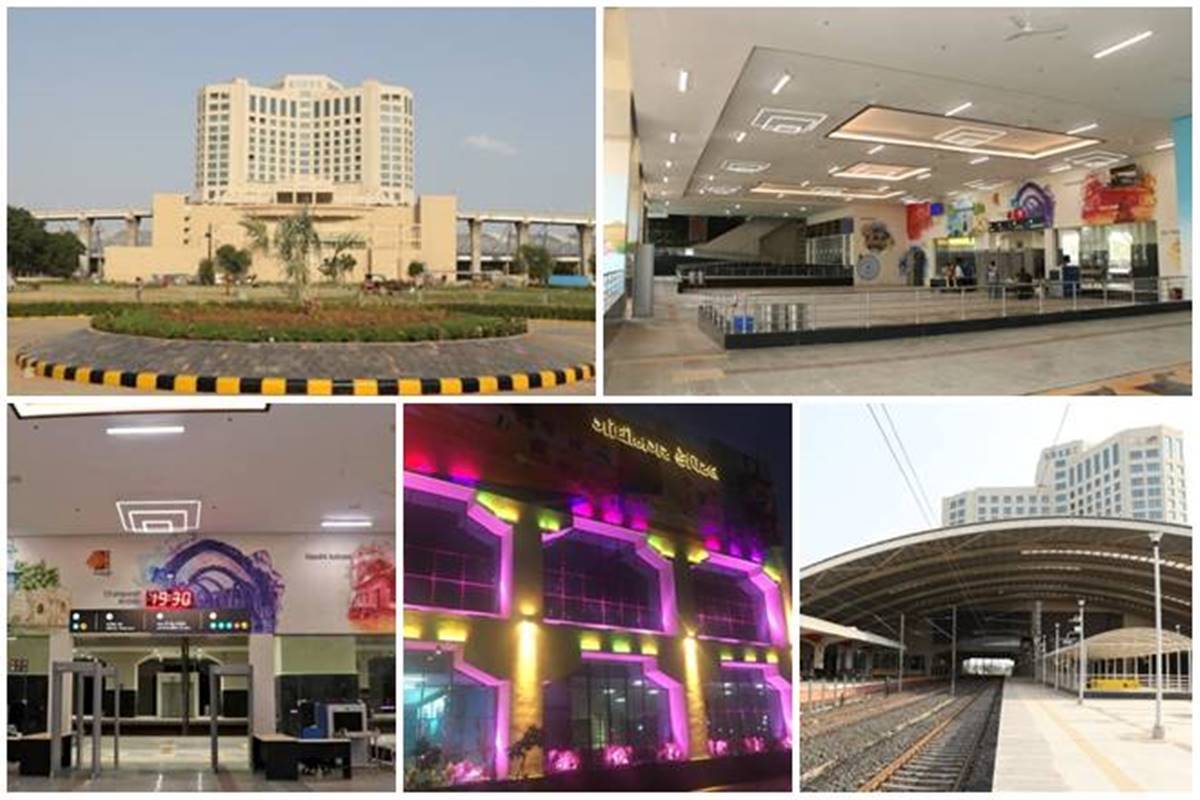
આજે 16/7/2021 સાંજે 4 વાગ્યે વડાપ્રધાન નરેન્દ્ર મોદી ગુજરાતના પાટનગરના ગાંધીનગર ખાતે પુનઃનિર્મિત ‘ગાંધીનગર કેપિટલ રેલવે સ્ટેશન’ તેમજ પંચતારક હોટલ સાથે આઠ જેટલાં વિવિધ વિકાસલક્ષી કાર્યોનું નવી દિલ્હીથી વર્ચ્યુઅલ લોકાર્પણ કરવાના છે.
માહિતી મુજ્બ કાયાકલ્પ થયેલા ગાંધીનગર રેલવે સ્ટેશનમાં 3 પ્લેટફોર્મ્સનું પુનઃનિર્માણ કરવામાં આવ્યું છે જેમાં 3 પ્લેટફોર્મ, 2 એસ્કેલેટર્સ, 3 એલિવેટર્સ, 2 પેડેસ્ટ્રિયન સબ-વે સહિતની આધુનિક સુવિધાઓ ઉપલબ્ધ છે.
ગત ફેબ્રુઆરી 2021માં સુરત મહાનગરપાલિકાની ચૂંટણી યોજાવાની હતી એ પૂર્વે સુરત મહાનગરપાલિકાના વોર્ડ નં.21ના ભાજપાના ઉમેદવાર અશોક રાંદેરીયા, વ્રજેશ ઉનડકડ અને તેમની પેનલને અઠવાગેટ પર રહેતા લોકોએ બબ્બે વખત તેડાવીને ત્યાં સુધી ધમકી આપી હતી કે જો તેઓ અઠવા ગેટ પર જતા નાનપુરાના રોડની હાલમાં બંધ એન્ટ્રી તાત્કાલિક નહીં ખોલાવે તો તેઓ મતદાનનો બહિષ્કાર કરશે. એ સમયે મજૂરાના ધારાસભ્ય હર્ષ સંઘવીએ પણ દરમિયાનગીરી કરી હતી. એ પછી ઇલેકશન યોજાઇ ગયું અને વોર્ડ નં.21ની ભાજપાની આખી પેનલ ચૂંટાઇ આવી.
વાત હવે શરૂ થાય છે. વોર્ડ નં.21ના ભાજપાના કોર્પોરેટર અશોક રાંદેરીયા અને વ્રજેશ ઉનડકટ બન્ને કોર્પોરેટરો પોતે અઠવાગેટના સ્થાનિક રહેવાસીઓને આપેલી જુબાનના સાર્થક કરવા મંડેલા રહ્યા. સુરત મ્યુનિસિપલ કોર્પોરેશન, ટ્રાફિક પોલિસ અને શહેર પોલીસ તમામ સાથે અનેકો વખત મિટીંગો કરી. સ્થાનિક લોકોનું પ્રેશર પણ ખરું.
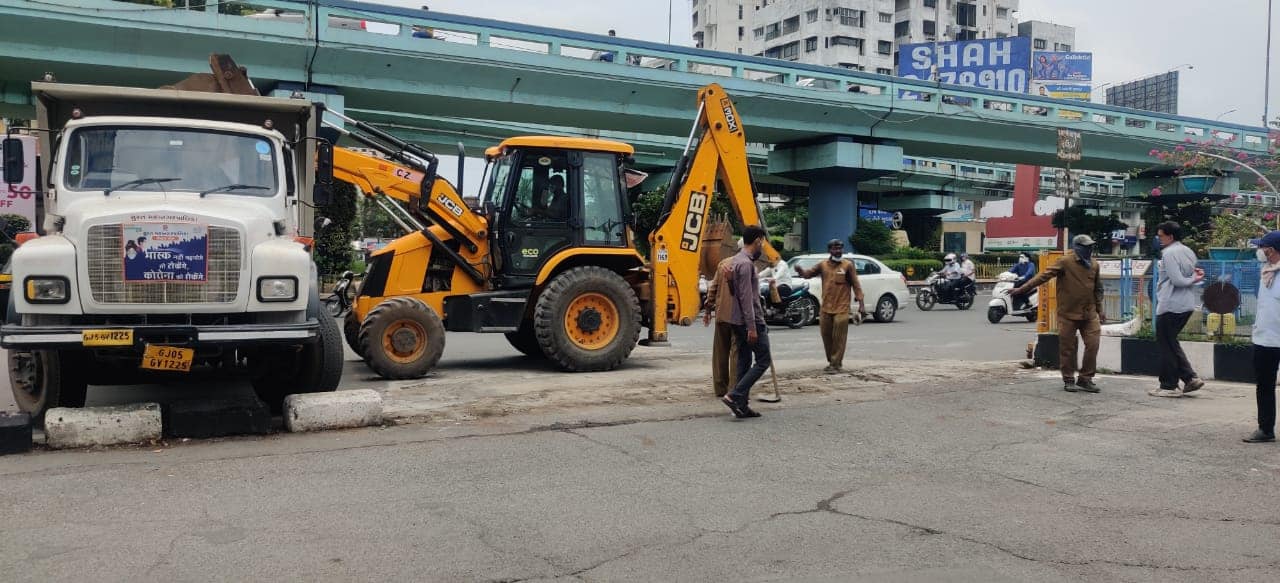
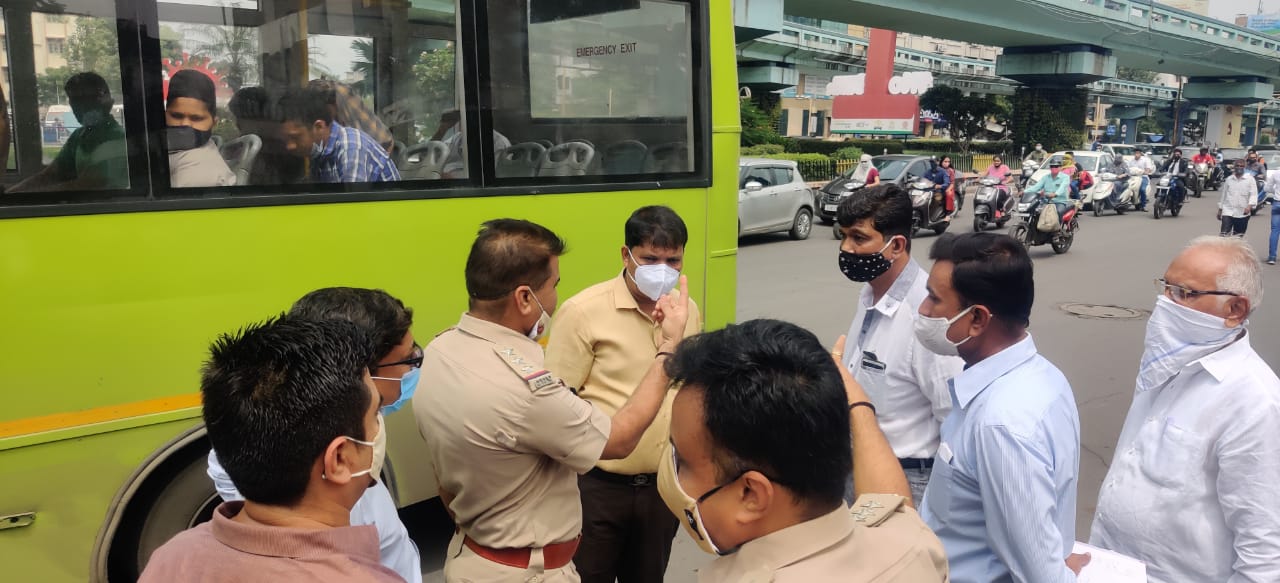
આખરે આજે તા.15મી જુલાઇ 2021ના રોજ અઠવા ગેટ પર રહેતા લોકો માટે સોનાનો દિવસ ઉગ્યો. સુરત મહાનગરપાલિકા અને ટ્રાફિક પોલીસે નાનપુરા, ટીમલિયાવાડ, ટીએન્ડ ટીવી સ્કુલ તરફથી અઠવાગેટ સર્કલ પર આવતા રોડની બંધ એન્ટ્રીને ખોલી નાંખવાની કાર્યવાહી હાથ ધરી અને રોડ ખુલ્લો કરતા કમસે કમ ત્રણેક લાખ લોકોને રોજબરોજ અવરજવરનમાં નડતો પ્રશ્ન ઉકેલાય ગયો છે.
ટ્રાફિક પોલીસ અને પાલિકાનું કહેવું હતું કે ટ્રાફિકની અવરજવર સરળ રહે એ માટે નાનપુરાથી અઠવા સર્કલની એન્ટ્રી બંધ કરવામાં આવી હતી, પરંતુ, તેની બીજી તરફ અઠવાગેટ દેરાસરથી લઇને નાનપુરા, ટીમલિયાવાડથી કાદરશાની નાળ સુધી રહેતા લાખો લોકોને પારાવાર અને રોજિંદી મુશ્કેલી થઇ પડી હતી, રોજ સવાર પડેને સ્થાનિક લોકોએ ટ્રાફિક પોલીસ સાથે માથાકૂટ કરવી પડતી, હવે આ પ્રશ્ન કાયમ માટે ઉકેલાય ગયો છે
આ બાબતમાં સૌથી મહત્વની વાત એ છે કે ભલભલા અધિકારીઓ એવું જ કહેતા કે નાનપુરાથી અઠવાગેટ જતા બંધ રોડને ખુલ્લો કરવો એ અશક્ય કામ છે, આવું થઇ શકે જ નહીં પરંતુ, સ્થાનિક કોર્પોરેટર અશોક રાંદેરીયા અને વ્રજેશ ઉનડકટે લોકોને કનડતો પ્રશ્ન હોઇ, તેને ગમે તે ભોગે ખુલ્લો કરવાની નેમ લીધી હતી અને એ પૂર્ણ કરી બતાવી.
દક્ષિણ ગુજરાત વિસ્તારમાં આવેલી ગ્રાન્ટ–ઈન-એઈડ કોલેજોનાં કાર્યાલયોમાં ડોકીયું કરીએ તો ખ્યાલ આવશે કે સરકાર દ્વારા નિમણુંક કરવામાં આવ્યા હોય તેવા કેટલા કર્મચારીઓ કાર્યરત છે કેટલીક કોલેજોમાં તો એક પણ સરકાર નિયુક્ત વહીવટી કર્મચારી જ નથી એડહોક કર્મચારીઓથી આ કોલેજોનું ગાડું ગબડે છે. છેલ્લા ઘણા વર્ષોથી અનુભવી કર્મચારીઓ ક્રમશઃ નિવૃત્ત થઈ રહયા છે સમયસર બઢતી પ્રક્રિયાની મંજુરી ન મળવાને કારણે આજગ્યાઓ ખાલી રહી જાય છે. અરે , છઠ્ઠા પગારપંચને લાગુ પાડતી વખતે કેટલીક કોલેજોમાં હેડકલાર્ક, એકાઉન્ટન્ટ જેવી ચાવીરૂપ જગ્યાઓ નાબુદ કરી દેવામાં આવી. આ જગ્યાઓ હવે કાયમી માટે ખાલી રહેશે. હવે બઢતી પ્રક્રિયા હાથ ધરવામાં આવે તો મોટાભાગની કોલેજમાં નીચે બઢતીપાત્ર કર્મચારીઓ જ નથી જે બઢતી મેળવીને ઉપલા સ્થાન પર જઈ શકે.
કોઇપણ સંસ્થાનું કાર્યાલય એ સંસ્થાનું હૃદય હોય છે .જે હમેશા ધબકતું રહે એ જરૂરી છે. નર્જીવા પગારમાં કામ કરતા એડહોક કર્મચારીઓ પોતાના ભવિષ્યની ચિંતા કરશે કે કોલેજનાં કામમાં પોતાનું ૧૦૦ ટકા યોગદાન આપશે ? એની પાસે સમપિર્તતા કે કામની ગુણવતાની અપેક્ષા રાખવી કેટલે અંશે યોગ્ય છે ? ક્યારેક ભરતી પ્રક્રિયા શરૂ થશે તો એમની પસંદગી થશે એ આશાએ કર્મચારીઓ જે તે કોલેજો માં કામ કરી રહયાં છે . હાલમાં દ.ગુ. વિસ્તારની કોલેજોમાં વહીવટી કર્મચારીઓની ખાલી જગ્યાઓ વિશે સર્વ કરવામાં આવ્યો તો ચોકાવનારા પરિણામો સામે આવ્યા. ૩૫ જેટલી કોલેજો પાસે ભેગી કરવામાં આવેલ માહિતી વહીવટી કર્મચારી નીચે પ્રમાણે જગ્યાઓ ખાલી છે.
જગ્યાઓનું નામ
મળવાપાત્ર જગ્યા
ભરાયેલ જગ્યા
ખાલી જગ્યા
કાર્યલાય અધિક્ષક
૧૭
૩
૧૪
હેડ ક્લાર્ક
૨૯
૫
૨૪
એકાઉન્ટ્ન્ટ
૨૫
૫
૨૦
સિનિ. ક્લાર્ક
૭૨
૩૧
૪૧
જુનિ. ક્લાર્ક
૮૮
૨૧
૬૯
લેબ આસી.
૪૨
૧૦
૩૨
કુલ
૨૭૩
૭૫
૧૯૮
બાકી રહી ગયેલી કોલેજોમાં આ જ પરિસ્થિતી હશે એવું ન માનવાને કોઈ કારણ નથી.
પટાવાળા, સફાઈ કામદાર વગેરે વર્ગ-૪નાં કર્મચારીઓની ભરતી તો કેટલાક વર્ષોથી બંધ જ કરી દેવામાં આવી છે. આજે કોલેજોમાં સરકાર નિયુક્ત વર્ગ ૪ના કર્મચારીઓ ખુબ જ ઓછી સંખ્યામાં રહી ગયા છે. તેમાના મોટાભાગના હવે નિવૃતિને આરે છે.
વહીવટી કર્મચારીઓને મળવાપાત્ર ઉચ્ચતર પગાર ધોરણનો લાભ પણ સમયસર મળતો નથી. કેટલાક કર્મચારીઓ તો આ લાભ મળવાની રાહ જોતા જોતા નિવૃત્ત થઈ ગયા. એટલો બધો અસહય વિલંબ કરવામાં આવી રહયો છે.
વર્તમાનપત્રોમાં શિક્ષણની ચિંતા કરતા અનેક લેખો પ્રકાશિત થતા રહે છે. જેમાં શિક્ષકો અને અધ્યાપકોની ઘટ વિશે હંમેશા ચિંતા વ્યક્ત કરવામાં આવે છે. આ ચિંતા સાચી જ છે. એનો વિરોધ કરવાનો પ્રશ્ન જ નથી. પણ વહીવટી કર્મચારીઓ એ પણ કોલેજોનું મહત્વનું પરિબળ છે. એની અવગણના ક્યાં સુધી ? એમના તરફ કેમ કોઈનું ધ્યાન જતું નથી ?
આ બધી બાબતોની ચિંતા ફક્ત વહીવટી કર્મચારી મંડળોએ જ કરવાની સંચાલકો મંડળો, આચાર્ય મંડળો , યુનિવર્સીટીનાં સત્તા મંડળો ,શિક્ષણશાસ્ત્રીઓ, વિદ્યાર્થીમંડળો , વાલીમંડળો કે સમાજ આ બાબતે ક્યારે વિચારશે ? કોલેજોના વહીવટ સુચારુ રૂપે ચાલે તે માટે અનુભવી અને કાયમી વહીવટી કર્મચારીઓ પુરતી સંખ્યામાં હોય તે અત્યંત જરૂરી છે. અનુભવી કર્મચારીઓનો દુષ્કાળ સર્જાય તેવી પરિસ્થિતી આકાર લઇ રહી છે ત્યારે પ્રશ્નોના ઉકેલ માટે આ તમામ સ્તરોએ પ્રયત્નો થવા જોઈએ એવી આશા રાખીએ તો ખોટું નથી. શિક્ષણના સ્તરે ને ઉંચું લાવવાના પ્રયત્નો કરવાં હોય ત્યારે તે તમામ પાસાને અને તેની સાથે સંકળાયેલા પરિબળોને ધ્યાનમાં રાખીને કરવામાં આવે તો જ તે યથાયોગ્ય ગણાય.
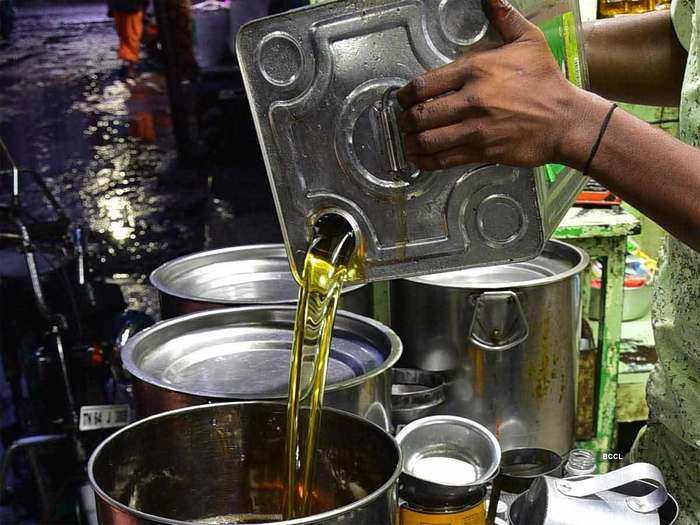
ગુજરાતમાં હવે આગામી દિવસોમાં હિન્દુ તહેવારો શરૂ થશે પરંતુ આ તહેવારો પહેલા જ દર વર્ષની જેમ ખાદ્ય તેલના ભાવમાં પરંપરાગ રીતે ભાવમાં વધારો શરૂ થવા લાગ્યો છે. આ વખતે કાચા માલની અછતના નામે સિંગતેલના ભાવમાં રૂપિયા ૨૫ અને કપાસિયા તેલના ભાવમાં પણ રૂપિયા ૨૫ નો ભાવવધારો ઝીંકવામાં આવ્યો છે.
અષાઢ મહિનાની શરૂઆત થતા જ હવે તહેવારોની સીઝન શરૂ થઈ ગઈ છે ત્યારે આવા ટાંણે લોકોના બજેટ પર મોંઘવારીનો માર ઝીંકાયો છે. એક તરફ પેટ્રોલ-ડીઝલમાં તોતિંગ ભાવવધારો અને બીજી તરફ હવે ખાદ્યતેલના ભાવ પણ આસામાને જઈ રહ્યાં છે.
કાચા માલની અછતના નામે સિંગતેલના ડબ્બાનો ભાવ ૨૪૦૦ થી ૨૪૫૦ રૂપિયા અને કપાસિયા તેલનો ડબ્બાનો ભાવ ૨૩૦૦ ને પાર પહોંચાડવામાં આવ્યો છે. પહેલીવાર કપાસિયા તેલનો ડબ્બો ૨૩૦૦ ને પાર પહોંચ્યો છે. આ વર્ષે કપાસના ભાવ વધતા કપાસિયા તેલના ભાવમાં સતત વધારો ઝીંકાઈ રહ્યો છે. લોકો સૌથી વધુ કપાસિયા તેલનો વપરાશ કરે છે, ત્યારે આ ભાવવધારો ગૃહિણીઓના બજેટને બગાડી દેશે. સતત પંદર દિવસથી ઘટાડા બાદ કપાસિયા તેલ અને સિંગતેલના ભાવમાં વધારો થયો છે.
અત્રે ઉલ્લખનીય છે કે, મે મહિનાના અંતમાં સિંગતેલના ભાવમાં મોટો ઘટાડો થયો હતો. જેથી લોકોને રાહત થઈ હતી. મે મહિનામાં ખાદ્યતેલના ભાવમાં ઘટાડો થતા ખાદ્યતેલમાં વાયદા બજાર ખુલતાની સાથે જ કડાકો બોલાયો હતો. જેથી સિંગતેલના ડબ્બાના ભાવમાં ૫૦ રૂપિયાનો ઘટાડો થયો હતો. તો કપાસિયા તેલના ભાવ ૩૦ રૂપિયા ઘટ્યા હતા. સિંગતેલ ડબ્બો ૨૫૦૦થી ૨૫૫૦ થયો હતો. જેના બાદ સતત ભાવ ઘટ્યા હતા.
છેલ્લા 80 વર્ષથી સમગ્ર દક્ષિણ ગુજરાતના ઉદ્યોગ, ધંધા, રોજગાર, વેપારને પ્રોત્સાહન આપવા માટે કાર્યરત સધર્ન ગુજરાત ચેમ્બર ઓફ કોમર્સ હવે એક કંપની તરીકે અસ્તિત્વ પામશે. અત્યાર સુધી ચેમ્બર ઓફ કોમર્સનું કાયદેસર રીતે, ઓન પેપર કોઇ જ વજૂદ ન હતું, જેને કારણે કેન્દ્ર અને રાજ્ય સરકારે સાથેના વ્યવહારોમાં અનેક ટેકનિકલ મુશ્કેલીઓ પડી રહી હતી, એ સમસ્યાઓ કાયમી રીતે દૂર થાય અને એસ.જી.સી.સી.આઇ.નું સંચાલન પદ્ધતિસર થાય તે માટે કંપની એક્ટ હેઠળ તેની નોંધણી કરવામાં આવશે.
સધર્ન ગુજરાત ચેમ્બર ઓફ કોમર્સ એન્ડ ઇન્ડસ્ટ્રીઝનો વહીવટ હાલમાં પાંચ હોદ્દેદારોથી ચાલી રહ્યો છે. જેમાં પ્રેસિડેન્ટ, વાઇસ પ્રેસિડેન્ટ, સેક્રેટરી, ટ્રેઝરર અને ઇમિડીએટ પાસ્ટ પ્રેસિડેન્ટનો સમાવેશ થાય છે, પરંતુ, હવે કંપની એક્ટ હેઠળ રજિસ્ટ્રેશન થયા બાદ ચેમ્બર ઓફ કોમર્સનું 9ની સભ્ય સંખ્યા ધરાવતું બોર્ડ ઓફ ડિરેક્ટર્સ અસ્તિત્વમાં આવશે. જેમાં 3 મેમ્બર્સ ચૂંટાયેલા (1) પ્રેસિડેન્ટ (2) વાઇસ પ્રેસિડેન્ટ અને (3) ઇમિડીએટ પાસ્ટ પ્રેસિડેન્ટ, બીજા ત્રણ ડિરેક્ટર્સ અનુક્રમે (4) સેક્રેટરી (5) જોઇન્ટ સેક્રેટરી અને (6) ટ્રેઝરર તથા બાકીના ત્રણ સભ્યો (7), (8) અને (9)ની નિમણૂંક ચેમ્બર ઓફ કોમર્સની મેનેજિંગ કમિટી દ્વારા નિયુક્તિ કરવામાં આવશે.
ચેમ્બરને કાયદેસરતા મળે તે માટે દિનેશ નાવડીયાનો કાર્યકાળ હંમેશને માટે યાદગાર રહેશે
ચેમ્બર પ્રમુખ દિનેશ નાવડીયાએ જણાવ્યું હતું કે અત્યાર સુધી ચેમ્બર ઓફ કોમર્સનું કાયદેસર રીતે સ્વરૂપ એસોસીએશન ઓફ પર્સન્સ હતું. ચેમ્બર ઓફ કોમર્સ દક્ષિણ ગુજરાતના ઉદ્યોગો માટે અનેક રીતે પ્રવૃતિમય છે અને કેન્દ્ર તથા રાજ્ય સરકાર સાથે સતત કામગીરી કરવાની હોય છે, પરંતુ, ચેમ્બર પાસે કોઇ કાયદાકીય રીતે નોંધણીનું સર્ટિફિકેટ ન હોય અનેક કિસ્સામાં વહીવટી ગૂંચ અને ટેકનિકલ સમસ્યાઓ નડતી હતી. ડગલેને પગલે આ ક્ષતિ ચેમ્બર ઓફ કોમર્સને નડી રહી હતી. પરંતુ, હવે કંપની એક્ટ હેઠળ નોંધણી થવાની સાથે જ ચેમ્બર ઓફ કોમર્સને નડતી કાયદાકીય વજૂદની સમસ્યા કાયમ માટે દૂર થશે.
બીએસ અગ્રવાલ અને સી.એ. અનુજ જરીવાળાની મહેનત રંગ લાવી
સધર્ન ગુજરાત ચેમ્બર ઓફ કોમર્સની આજે મળેલી મેનેજિંગ કમિટીની બેઠકમાં ચેમ્બરને કંપની એક્ટ હેઠળ નોંધણી કરાવી શકાય તે માટે તૈયાર કરવામાં આવેલા મેમોરેન્ડમ ઓફ આર્ટિકલ્સ અને રૂલ્સ રેગ્યુલેશન્સ મંજૂર કરવામાં આવ્યા હતા. ચેમ્બરના માજી પ્રેસિડેન્ટ બી.એસ. અગ્રવાલ અને સી.એ. અનુજ જરીવાળા અને તેમની ટીમે ચેમ્બર ઓફ કોમર્સની એક કંપની એક્ટ હેઠળ નોંધણી થઇ શકે તે માટે છેલ્લા ત્રણ વર્ષથી ડોક્યુમેન્ટસ તૈયાર કર્યા હતા. સૂત્રોના જણાવ્યા અનુસાર છેલ્લા 10 વર્ષથી ચેમ્બરને કોઇપણ પ્રકારે કાયદેસર રીતે અસ્તિત્વ મળે તે માટેના પ્રયાસો ચાલી રહ્યા છે. પરંતુ, આખરે વર્તમાન પ્રમુખ દિનેશ નાવડીયાના કાર્યકાળમાં આજે મળેલી મેનેજિંગ કમિટીની બેઠકમાં ચેમ્બરને કંપની એક્ટ હેઠળ નોંધણી કરાવવા માટેનો સૈદ્ધાંતિક નિર્ણય લેવાયો છે.
ચેમ્બરની ચૂંટણીઓ યથાવત રીતે યોજાશે સધર્ન ગુજરાત ચેમ્બર ઓફ કોમર્સ એન્ડ ઇન્ડસ્ટ્રીઝ ભલે એક કંપની તરીકે રજિસ્ટર્ડ થાય અને બોર્ડ ડિરેક્ટર્સ અમલમાં આવે, પણ સૂત્રો જણાવે છે કે ચેમ્બરમાં ચૂંટણીઓ યથાવત રીતે યોજાશે. જેમાં મેનેજિંગ કમિટી, વાઇસ પ્રેસિડેન્ટ માટે યોજાતી ચૂંટણીઓ પર કોઇ અસર નહીં થાય.
IBPS Clerk 2021: निम्नदर्शित बैंकों में 5858 क्लर्क भर्ती के लिए नोटफिकेशन जारी, आज से करें आवेदन ibps.in पर
Latest Update Dt. 14/7/2021
IBPS clerk recruitment 2021 put on hold: Finance Ministry
The ongoing IBPS clerk recruitment process for close to 6,000 posts in nationalised banks has been put on hold.
The ongoing IBPS clerk recruitment process for close to 6,000 posts in nationalised banks has been put on hold. The Finance Ministry has directed the banking personnel selection body, IBPS, to stop the recruitment process amid row over the number of languages in which the exam is being held.
Questions have been raised that despite the fact that 22 languages are recognized by the Constitution of India, the exam for recruitment in the clerical cadre ofPublic Sector Banks (PSBs) only in two languages: English and Hindi.
The finance ministry has formed a Committee to look into the demand for holding examination for clerical cadre in Public Sector Banks (PSBs) in local or regional languages.
The finance ministry has referred to a statement made by the Union Finance Minister in 2019 where she had assured that bank exams will be held in local languages. The ministry says, the Finance Minister’s statement was made in the context of Regional Rural Banks (RRBs) only.
The Ministry has asked the Committee to give its recommendations within 15 days and has asked the IBPS to put on hold the ongoing process of holding the clerk exam until the recommendations of the Committee are made available.
Bank of Baroda
Canara Bank
Indian Overseas Bank
UCO Bank
Bank of India
Central Bank of India
Punjab National Bank
Union Bank of India
Bank of Maharashtra
Indian Bank
Punjab & Sind Bank
इंस्टीट्यूट ऑफ बैंकिंग पर्सोनेल सिलेक्शन (आईबीपीएस) ने पंजाब नेशनल बैंक, यूनियन बैंक ऑफ इंडिया, बैंक ऑफ बड़ौदा, बैंक ऑफ इंडिया, कैनरा बैंक और अन्य बैंकों में क्लेरिकल कैडर के पदों पर भर्ती के लिए नोटिफिकेशन जारी कर दिया है। संस्थान दवारा रविवार, 11 जुलाई 2021 को जारी आईबीपीएस क्लर्क (CRP Clerk-XI 2022-23) अधिसूचना के अनुसार इस वर्ष कुल 5858 पदों के लिए उम्मीदवारों का कॉमन रिक्रूटमें प्रॉसेस (सीआरपी) चयन किया जाना है। बता दें कि पिछले वर्ष की भर्ती प्रक्रिया के माध्यम से आईबीपीएस ने क्लैरिकल कैडर की 1558 रिक्तियां घोषित की थीं।
आईबीपीएस क्लर्क (CRP Clerk-XI 2022-23) अधिसूचना के अनुसार बैंकों में 5858 क्लर्क पदों के लिए आवेदन आज, 12 जुलाई 2021 से किये जा सकते हैं।
आवेदन की आखिरी तारीख 1 अगस्त 2021 निर्धारित की गयी है। साथ ही, उम्मीदवारों को निर्धारित आवेदन शुल्क रु.850 रुपये का भी भुगतान आज से लेकर 1 अगस्त के बीच कर लेना होगा। दूसरी तरफ, आईबीपीएस क्लर्क XI भर्ती कार्यक्रम के अनुसार प्रारंभिक परीक्षा प्रशिक्षण का आयोजन 16 अगस्त को किया जाएगा, वहीं, प्रारंभिक परीक्षा 28 और 29 अगस्त को और फिर 4 सितंबर को आयोजित होगी।
इसके बाद मुख्य परीक्षा 31 अक्टूबर 2021 को आयोजित की जानी है।
COMMON RECRUITMENT PROCESS FOR RECRUITMENT OF CLERKS IN PARTICIPATING BANKS (CRP CLERKS-XI)
Important Events
Dates
Commencement of on-line registration of application
12/07/2021
Closure of registration of application
01/08/2021
Closure for editing application details
01/08/2021
Last date for printing your application
01/08/2021
Online Fee Payment
12/07/2021 to 01/08/2021
जानिए कैसे और कहां एप्लाय करना है
आवेदन के इच्छुक व योग्य उम्मीदवार आईबीपीएस क्लर्क भर्ती 2021 के लिए आईबीपीएस के अप्लीकेशन पोर्टल, ibpsonline.ibps.in पर जाकर रजिस्ट्रेशन कर सकते हैं। उम्मीदवारों को अप्लीकेशन पोर्टल पर विजिट करने के बाद सबसे पहले न्यू रजिस्ट्रेशन के लिंक पर क्लिक करके पंजीकरण करना होगा। इसके बाद, रजिस्ट्रेशन के लिए नाम, मोबाईल नंबर और ईमेल आईडी के विवरण भरने होने होंगे।
इसके बाद आवंटित रजिस्ट्रेशन नंबर एवं पासवर्ड के जरिए लॉगइन करके अपना उम्मीदवार अपना आईबीपीएस क्लर्क 2021 ऑनलाइन अप्लीकेशन सबमिट कर पाएंगे।
એક 90 વર્ષ પરંપરા કે જે અપ્રતિમ છે નિષ્પક્ષ નિષ્પક્ષ દરરોજ, વહેલી તકે, એક ગતિશીલ સંપાદકીય ટીમ અને ડિસ્ટ્રીબ્યુટર અને બિઝનેસ એસોસિએટ્સનું એક શક્તિશાળી નેટવર્ક, દરરોજ નવ દાયકા જૂની પરંપરા આપે છે. એવી પરંપરા કે જે વિચારો, માહિતી અને સીધા પત્રકારત્વના એક વિશિષ્ટ સંશ્લેષણ છે. દરેક વાર્તામાં અપ્રતિમ અધિકૃતતા અને તટસ્થતાનો સમાવેશ થાય છે, વાચકોને સૌથી વધુ જાણકાર અને વિશ્લેષણાત્મક સમાચાર કવરેજ સાથે સમર્થન આપવું.